How to Choose the Best Penn Spinning Reel for Your Fishing Style
When you buy fishing tackle, you want gear that feels solid in your hands, performs without fuss and stands up to the sort of sessions you actually fish. That’s exactly why Penn has earned such a loyal following. For decades, anglers have trusted the brand to deliver reels that cope with hard fights, salt spray and long days on the bank or beach.
Your spinning reel plays a central role in how you fish. It affects how far you cast, how smoothly you retrieve and how much control you have when a fish surges off. If you choose wisely, everything feels balanced and natural. If you don’t, you’ll notice it every time you pick up the rod.
What Makes Penn Spinning Reels Stand Out
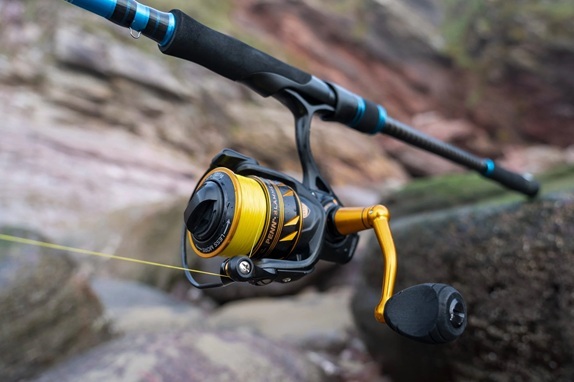
When you pick a Penn spinning reel, the first thing you usually notice is its solid feel. Penn builds many of its reels with full metal bodies and side plates. That rigidity keeps the internal gears aligned under pressure, which means you get smooth cranking power even when you lean into a strong fish.
You’ll also appreciate the drag systems. Penn designs its drags to stay consistent and powerful. When a fish makes a sudden run, the drag releases line smoothly instead of jolting or sticking. That control protects your line and gives you the upper hand during a long fight.
Saltwater anglers, in particular, value the sealed components found in many models. Salt and sand destroy poorly protected reels. Penn addresses that problem directly by sealing key areas and using corrosion-resistant materials.
You can also choose from a wide range of models. As you browse Penn spinning reels for sale, you’ll see compact reels for light freshwater work, mid-sized all-rounders and heavy-duty models built for surf and offshore fishing. That variety makes it much easier for you to find a reel that genuinely matches your approach.
Identify Your Fishing Style First
Before you look at size numbers or gear ratios, think honestly about how you fish most often. The species you target and the venues you visit should guide your decision.
Freshwater Lakes and Rivers
If you spend most of your time on rivers, canals or stillwater, you probably fish lighter lines and smaller lures. You’ll benefit from a lighter reel that balances neatly with a slim rod. Smoothness matters here, as does comfort during repeated casting.
Inshore Saltwater
If you fish estuaries, harbours or rocky marks, you need something tougher. Saltwater demands corrosion resistance and a reliable drag. You may also fish braided line for extra strength and sensitivity, so your reel must handle that confidently.
Surf Fishing
On the beach, casting distance becomes crucial. You often throw heavier leads and rigs, and you need enough line capacity to cope with long casts and strong runs in the tide. A larger spool and stronger drag system help you manage these conditions.
Offshore Trips
If you head out by boat and target powerful fish, strength takes priority. You need a reel that delivers cranking power and holds plenty of heavier line. A robust build and high drag output give you the authority to stay in control.
When you define your main fishing style, you narrow your options quickly and make the rest of the process far simpler.
Choose the Right Spinning Reel Size
Reel sizes usually appear as numbers such as 1000, 2500, 4000 or 6000. These numbers indicate the reel’s overall size and line capacity. The larger the number, the more lines it generally holds and the more power it provides.
As a rough guide:
- 1000–2500 sizes suit light freshwater fishing with thin line and small lures.
- 3000–4000 sizes handle heavier freshwater work and light inshore saltwater fishing.
- 5000 and above fit surf fishing, heavier saltwater use and larger species.
You should also match the reel to your rod. Check the rod’s recommended line rating and choose a reel that comfortably holds that line diameter and strength. When you assemble the setup, it should feel balanced in your hand. The rod tip shouldn’t feel overly heavy, and the reel shouldn’t drag the outfit backwards.
Line choice plays a role, too. If you use braid, you can fit more line onto a spool of the same size compared to monofilament. That extra capacity may allow you to choose a slightly smaller reel while still meeting your needs.
Take a moment to think about how much line you genuinely require. For small stillwater, you don’t need massive capacity. For surf casting into a strong tide, you do.
Match the Spinning Reel to Your Fishing Conditions
Once you’ve chosen a suitable size, look more closely at where you fish. If you fish in saltwater, prioritize reels with sealed drags and corrosion-resistant construction. Rinse your reel after each session, but start with a design built to cope with harsh environments.
If you fish in windy or sandy conditions, pay attention to build quality and spool design. A strong, well-supported spool improves casting performance and resists flex under load. That stability helps you cast further and retrieve smoothly.
You should also consider the gear ratio. A higher gear ratio retrieves line more quickly, which helps when you work fast-moving lures. A lower ratio provides more cranking power, which comes into its own when you battle larger fish or retrieve heavy rigs.
Think about your typical session:
- Do you cast repeatedly with lures? You’ll value smoothness and a comfortable handle.
- Do you fish at long range in strong currents? You’ll need line capacity and drag strength.
- Do you target hard-fighting species close to structure? You’ll want solid gearing and dependable stopping power.
Make Your Final Decision with Confidence
When you handle a reel that suits your fishing style, you’ll feel it straight away. It balances properly with your rod, turns smoothly under light pressure and feels solid when you tighten the drag.
As you explore Penn spinning reels options, resist the temptation to focus purely on price or appearance. Instead, compare specifications carefully. Look at weight, drag rating, line capacity and construction materials. Choose the reel that aligns with how and where you actually fish, not the one that looks impressive on paper.
A well-chosen Penn reel will reward you every time you cast. You’ll enjoy smoother retrieves, better fish control and fewer worries about your gear letting you down.
-
 A Better Vantage Point: Choosing the Right Hunting Treestand
An elevated position can change how you approach a hunt, giving hunters a broader
A Better Vantage Point: Choosing the Right Hunting Treestand
An elevated position can change how you approach a hunt, giving hunters a broader -
 Electric Fishing Reels: Types, Benefits and How They Work
Fishing sounds fun until your arms start giving up on you halfway through the
Electric Fishing Reels: Types, Benefits and How They Work
Fishing sounds fun until your arms start giving up on you halfway through the
About Author

Edward Smith
Known as a bon vivant, Edward doesn't just amaze people with his passion for life's luxuries but also with his vast interests and talent as a writer; not surprisingly his motto is: "If you want to have limitless inspiration for writing, you have to live life first!". Whether it's all-things car related or travel adventures, he tackles with each and every topic, including those that have to do with arts, industries, tech gadgets, business and, believe it or not, love and romance!